Getting around
Bosnia Without a Car: What Works and What Doesn't
A car opens up rural Bosnia, but it is not a requirement for a good trip. Here is what works well without one and what does not.
The general rule
Cities and the main intercity corridors in Bosnia are well served by bus. Rural Herzegovina, remote villages and the national parks are where public transport becomes sparse or nonexistent. A trip that sticks mainly to Sarajevo, Mostar and the towns between them can be run entirely by bus and on foot. A trip that wants to reach specific waterfalls, mountain trailheads or scattered villages in a single day usually needs a car or an organised transfer.
Itineraries that work well by bus
- Sarajevo and Mostar as a two centre trip, connected by a frequent and comfortable bus route
- Adding Trebinje after Mostar, since a direct bus links the two towns through Herzegovina
- Sarajevo alone as a longer stay, using trams and walking for everything in the city and a day tour or organised transfer for surrounding sights
- A route that continues from Mostar or Sarajevo to Zagreb, Split, Dubrovnik or Belgrade, all served by direct long distance coaches
These routes work because the towns involved sit on the same bus corridors and the walk from each bus station into the historic centre is short. None of them require you to wait around for infrequent connections or backtrack.
Where a car genuinely helps
- Una National Park in the northwest, where trails, waterfalls and villages are spread out with limited local transport
- Sutjeska National Park, including the Perucica old growth forest and the Maglic trailheads, well outside any bus network
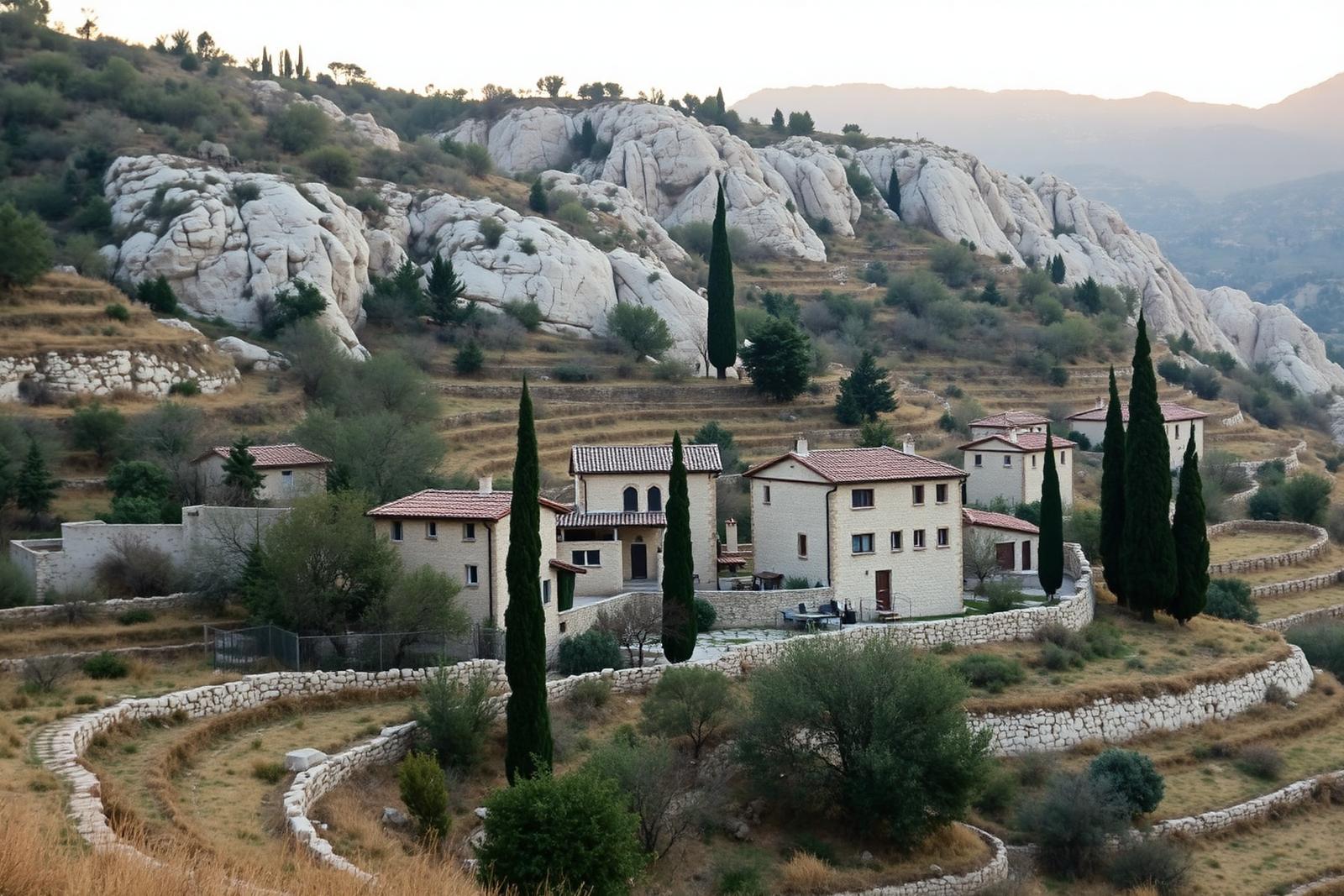
- Rural Herzegovina beyond Mostar itself: Blagaj, Pocitelj and Kravice are reachable by organised transfer or tour without a car, but a car lets you link them in one flexible day rather than three separate trips
- Central Bosnia villages around Travnik and the Bjelasnica plateau near Sarajevo
- Any itinerary that wants to link several smaller towns in one day rather than going back to a hub each time
Bus practicalities
Bosnian intercity buses are generally comfortable, run by several operators rather than one national carrier, and connect the main towns multiple times a day. Buying a ticket a day ahead is sensible for the busiest routes in summer, particularly Sarajevo to Mostar, but is rarely essential outside peak season. Luggage usually goes in a hold beneath the bus, sometimes for a small separate fee. Sarajevo in particular has more than one bus station depending on the operator and direction, so it is worth confirming which station a specific service departs from.
Full route by route travel times and the state of the roads themselves are covered in how to get around Bosnia.
Day trips reachable without driving
- From Sarajevo: the Tunnel of Hope museum near the airport is reachable by local transport and a short taxi combination, and organised day tours cover Konjic and the Bjelasnica villages
- From Mostar: Blagaj, Pocitelj and Kravice waterfalls are all covered by organised day tours or transfers if you are not driving yourself
- From Trebinje: the old town and the nearby monastery viewpoint are walkable, with the wider Herzegovina countryside better suited to a car or tour
These day trips are the practical middle ground: you keep your base city connected by bus, and use an organised transfer or tour, rather than a rental car, to reach the sights that sit off the main road network.
When to hire a car for part of the trip only
A common solution for people who do not want to drive the whole trip is to hire a car for just the days that need it. Picking up a car in Mostar for two or three days to cover Herzegovina's countryside, then returning it and continuing by bus, is often simpler than driving the entire itinerary, particularly through the city driving and parking in Sarajevo's old town, which is genuinely awkward for a car of any kind.
How this fits into planning
Whether a car makes sense depends entirely on which places are on your list and how much time you have. A one week trip focused on Sarajevo and Mostar rarely needs one. A trip that adds Una or Sutjeska almost always benefits from one, at least for part of the route. This is one of the first things worth deciding when you plan a Bosnia trip, since it changes both the route and the pace.
Related guides
Not sure if you need a car? Tell us your plans.
We will tell you exactly where a car helps, where a bus is enough, and build the itinerary around that answer.
Plan My Bosnia Trip, €49