Bosnia and Herzegovina
Bosnia and Herzegovina Travel Guide
A compact country that packs Ottoman old towns, Austro-Hungarian cities, river canyons and two large national parks into a few hours of driving.
What Bosnia and Herzegovina is like
Bosnia and Herzegovina sits in the western Balkans, bordered by Croatia on three sides, Serbia to the east and Montenegro to the southeast, with a short strip of coastline at Neum. The country is mountainous almost everywhere except the far north, which flattens toward the Sava river and the Croatian border. That geography explains most of what surprises first time visitors: how long the drives take, how different the south feels from the north, and how much the country changes over a short distance.
The capital, Sarajevo, sits in a narrow valley in the centre of the country and is where most trips begin or end. It carries visible layers of Ottoman, Austro-Hungarian, socialist Yugoslav and 1990s history within a few hundred metres of streets, which is unusual even by regional standards. Mostar, two hours south, is the other fixed point on almost every itinerary, built around its rebuilt Ottoman bridge over the Neretva.
Beyond those two cities the country is quieter and less visited, which is part of the appeal. Small towns, river valleys and national parks make up most of the land area, and outside July and August you can often have them largely to yourself.
Bosnia versus Herzegovina
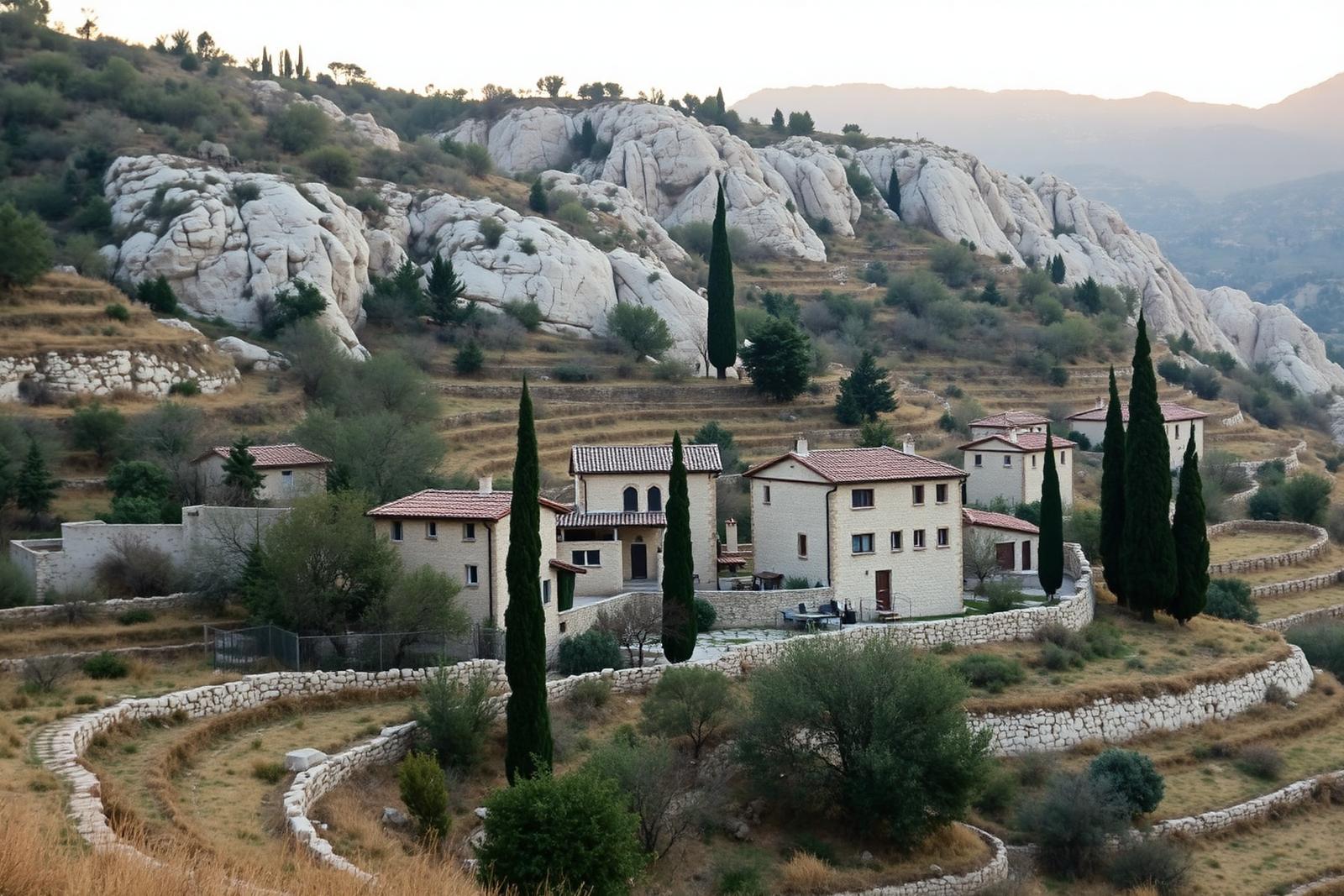
The country's full name reflects two historical regions that still shape how people talk about travel here. Bosnia is the larger, northern and central part: green, forested, mountainous and noticeably cooler, with a climate closer to central Europe. Herzegovina is the smaller southern part around Mostar and Trebinje, dry, rocky and Mediterranean in both climate and character, with vineyards, karst fields and the warm Neretva valley.
The border between the two is not administrative in any way a visitor notices, but the change in landscape and climate as you drive south from Konjic toward Mostar is obvious within an hour. If your trip runs through both regions, expect to pack for two different climates, particularly outside summer.
Bosnia and Herzegovina at a glance
- Capital
- Sarajevo
- Regions
- Bosnia (north and centre) and Herzegovina (south)
- Currency
- Convertible mark (BAM), pegged to the euro
- Main entry points
- Sarajevo airport, or overland via Zagreb, Split, Dubrovnik or Belgrade
- Suggested minimum stay
- 3 to 4 days for Sarajevo and Mostar
- Comfortable stay
- 7 to 10 days to add national parks and smaller towns
How long you need
Three days is enough for Sarajevo and Mostar, which covers the two places most people associate with Bosnia but leaves out almost everything else. Five days lets you add Herzegovina properly, with time for Blagaj, Pocitelj or Trebinje alongside the two main cities. A week is the shape most trips settle into, and it is enough to move through the country in one direction without rushing.
Ten days or more opens up the north and the national parks, Una in the northwest or Sutjeska in the southeast, both of which sit far enough from Sarajevo and Mostar that they rarely fit into a shorter trip. See the itineraries for routes built around each of these lengths.
When to go
May, June and September are the most comfortable months across the country: warm days, cool nights and manageable crowds in Mostar and Sarajevo's old town. July and August are hot, especially in Herzegovina where temperatures regularly pass 35 degrees, and Mostar's bridge area is at its busiest with day trip groups arriving from the coast.
Winter is a genuine season rather than a gap in the calendar. Sarajevo and the surrounding mountains get real snow, the ski areas around Bjelasnica and Jahorina run from December, and cities are at their quietest. Spring can bring high water in the rivers, which is good for rafting on the Una but can close some canyon trails.
Getting in and around
Sarajevo has the country's main international airport, with a modest number of European routes. Many visitors instead fly into Zagreb, Split, Dubrovnik or Belgrade and continue overland, since all four are within a day's travel of the Bosnian border and often cheaper to reach.
- By bus: a dense network connects Sarajevo, Mostar, Banja Luka and most towns, and international coaches link the main cities to Zagreb, Split, Dubrovnik and Belgrade.
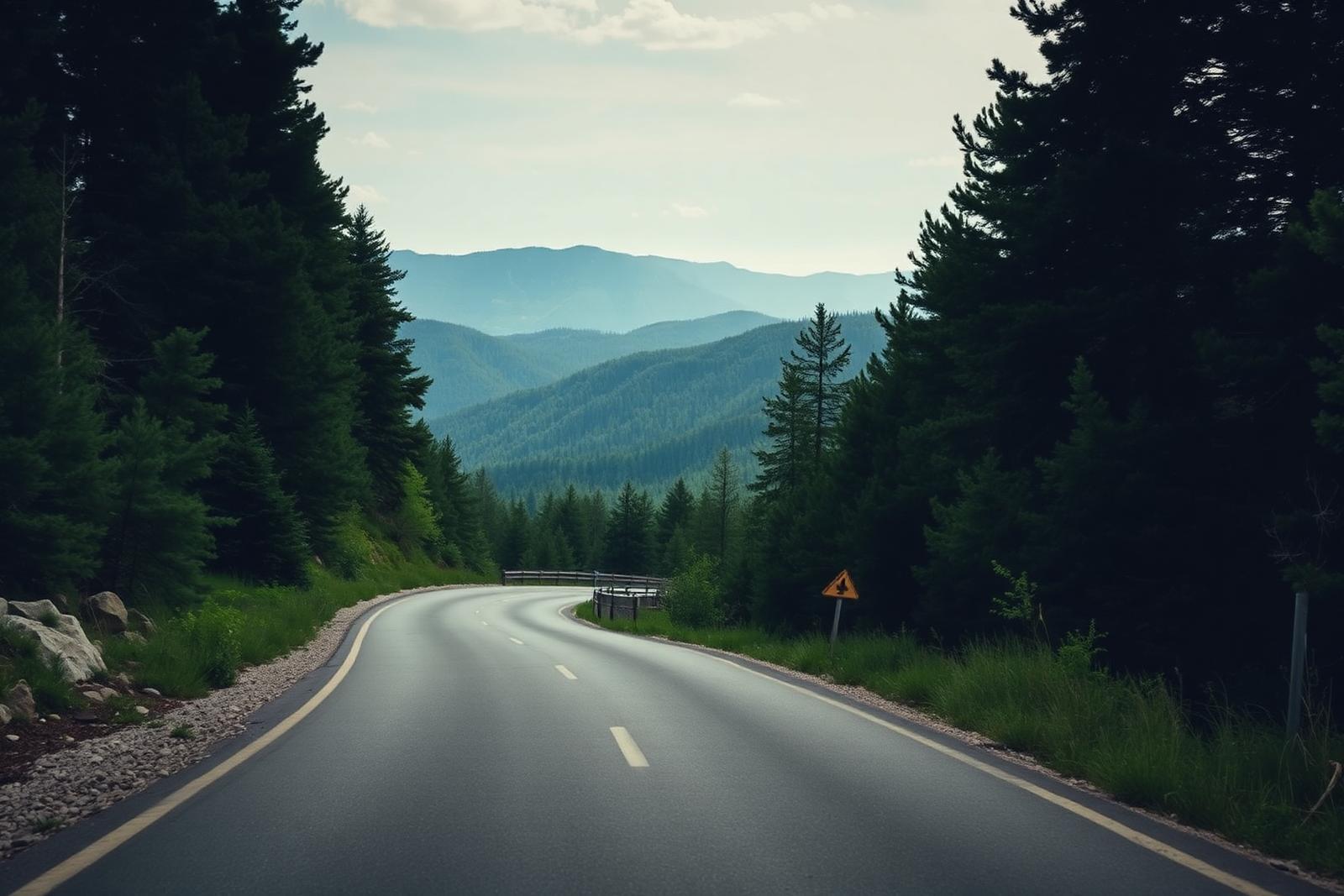
- By car: the fastest way to see several regions in one trip, though roads outside the motorway sections are two lane and mountainous, and distances take longer than the map suggests.
- By train: a limited network, most useful for the scenic Sarajevo to Mostar line along the Neretva.
- Within cities: Sarajevo has trams and trolleybuses, Mostar and smaller towns are walkable, and ride hailing apps work in the larger centres.
Full detail is in how to get around Bosnia and Bosnia without a car.
Costs
Bosnia is inexpensive relative to Croatia and most of western Europe, though prices in Mostar's old town and central Sarajevo have risen with tourism. Buses, food outside tourist strips and coffee remain notably cheap. Accommodation ranges from simple guesthouses to a small number of higher end hotels, with apartments offering good value for two or more people.
For a full breakdown of what things tend to cost, see how much a trip to Bosnia costs.
Safety
Bosnia is a safe country to travel in, and the war that ended in 1995 is now three decades in the past. Petty crime is uncommon in the places visitors go. The one practical issue that lingers is landmines in some rural and forested areas away from marked paths and roads, which is a reason to stick to established trails when hiking.
More detail, including what to actually be aware of day to day, is covered in is Bosnia safe to visit.
Food and coffee culture
Bosnian food reflects the same Ottoman and Central European layering as its cities. Cevapi, small grilled meat rolls served in flatbread with onion, are the everyday staple and worth trying from a local grill rather than a tourist restaurant. Burek and other filled pastries are a breakfast food more than a dinner one. Herzegovina adds grilled meats, dried meats and its own wines and figs to the picture.
Coffee is a ritual rather than a quick stop. It is brewed in a small copper pot called a dzezva and served with a piece of Turkish delight, and drinking it is meant to take time. Cafes in Bascarsija and along Mostar's old streets are full at almost any hour, which says something about how the culture treats sitting down over a slow morning or afternoon.
Language and money
Bosnian, Croatian and Serbian are mutually intelligible and all spoken here, written in both Latin and Cyrillic script depending on the region. English is widely understood in tourism related businesses in Sarajevo and Mostar, less so in smaller towns.
The currency is the convertible mark, abbreviated KM or BAM, pegged to the euro at a fixed rate. Cards are accepted in hotels, larger restaurants and shops in the main cities, but cash is still useful for bakeries, markets, small guesthouses and rural areas.
Sample routes
A short trip works best as a straight line rather than a loop, since Bosnia's roads are mountainous and backtracking costs time. The shapes below are starting points; each has a full day by day version linked underneath.
- 3 days: Sarajevo, then Mostar, then back or onward to the coast.
- 5 days: Sarajevo, Mostar, and one or two Herzegovina stops such as Blagaj, Pocitelj or Trebinje.
- 7 days: the classic route through Sarajevo, Mostar and Herzegovina in one direction, ending near the coast or looping back north.
- 10 days: the 7 day route extended north to Jajce, Banja Luka or the Una river, or south and east to Sutjeska.
Destinations
- SarajevoThe capital, and where most trips start
- MostarHerzegovina's main draw
- Banja LukaThe north, and the road to Zagreb
- JajceWaterfall town between north and centre
- TrebinjeThe far south, near Dubrovnik
- Una National ParkRivers and waterfalls in the northwest
- Sutjeska National ParkOld growth forest and the highest peaks
- All destinations
Plan your trip
Questions about visiting Bosnia and Herzegovina
- How many days do I need in Bosnia?
- Three days covers Sarajevo and Mostar. A week is the most common length and lets you add Herzegovina properly. Ten days or more opens up the national parks and the north.
- Should I fly into Sarajevo or somewhere else?
- Sarajevo works if the flight schedule suits you. Many travellers instead fly into Zagreb, Split, Dubrovnik or Belgrade and continue overland, which is often cheaper and lets you combine Bosnia with a neighbouring country.
- Do I need to choose between Bosnia and Herzegovina, or can I see both?
- Most week long trips cover both, moving from Sarajevo south through Mostar into Herzegovina. The regions are close enough that a single route can include the mountains of the north and the Mediterranean climate of the south.
- Is Bosnia expensive?
- No, it remains inexpensive relative to Croatia and western Europe, though prices in central Mostar and Sarajevo have risen with tourism. See how much a trip to Bosnia costs for a full breakdown.
Turn this into a route for your dates.
Tell us when you are travelling, where you arrive and what you want to see. We will put together a trip that uses your time well.
Plan My Bosnia Trip, €49