Getting around
How to Get Around Bosnia: Buses, Trains and Driving
Bosnia's terrain shapes every transport decision. Understanding the road and rail network before you go saves real time on the ground.
The shape of the problem
Bosnia is a small country by area, but it is almost entirely mountainous outside the river valleys, and that geography controls travel times far more than distance on a map does. A route that looks like a two hour drive can take three because it climbs through a pass, and a town that looks close to another might have no direct road connection at all, only a longer route around a mountain range. Planning transport here means planning around terrain, not kilometres.
Intercity buses
Buses are the backbone of Bosnian public transport and connect essentially every town of any size. Sarajevo, Mostar, Banja Luka, Travnik, Jajce, Trebinje and the smaller towns in between all have regular services, run by a mix of operators rather than one national company. Journeys tend to be direct and comfortable enough for the distances involved, and buses are the practical way to travel between the main cities if you are not driving.
- Sarajevo to Mostar: about two to two and a half hours, frequent services
- Sarajevo to Banja Luka: around four to four and a half hours through central Bosnia
- Mostar to Trebinje: around two hours through Herzegovina's back roads
- Sarajevo to Zagreb, Split, Dubrovnik and Belgrade: several hours, with regular daily departures on the main routes
Sarajevo has more than one bus station depending on the operator and destination, so it is worth checking which station a specific service uses before you travel. Tickets for the busiest routes, especially Sarajevo to Mostar in summer, are worth buying a day ahead rather than assuming a seat will be available on arrival.
Trains
The rail network is limited and slower than buses on almost every route, but it includes one genuinely worthwhile journey: the line between Sarajevo and Mostar, continuing to Capljina, which follows the Neretva river through a series of tunnels and gorges. It runs only a couple of times a day and is not a practical way to plan a whole trip around, but as a scenic one way journey it is worth building a day around if the timetable lines up with your dates.
Driving and road conditions
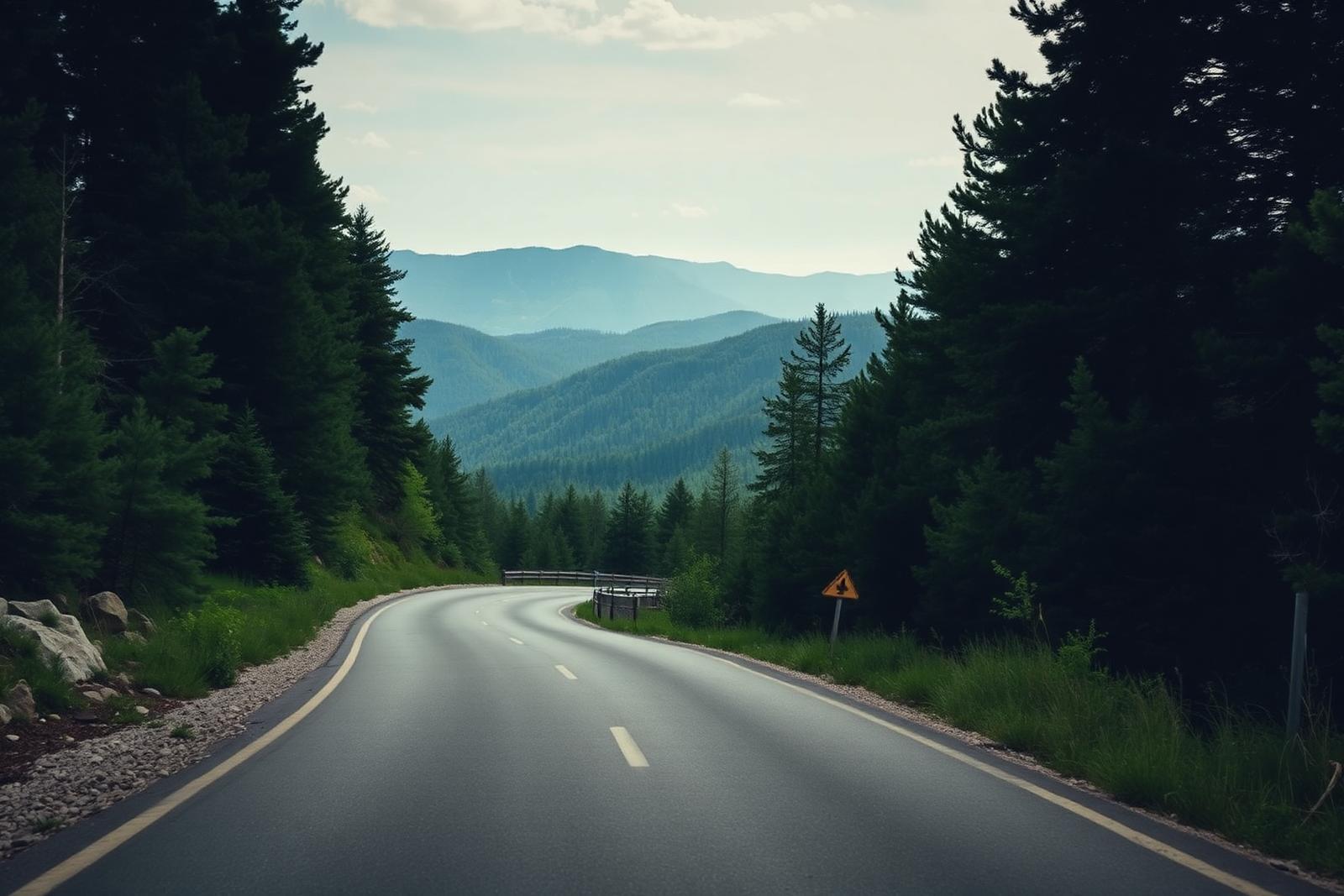
Bosnia has a growing but incomplete motorway network. The clearest stretch runs northwest from Sarajevo toward Zenica and on toward the Croatian border, cutting travel time significantly on that corridor. Outside the motorway sections, main roads are generally well surfaced two lane roads that climb through mountain passes, follow river valleys, and pass through town centres rather than bypassing them, which adds time on routes that look short on a map.
Typical driving times
- Sarajevo to Mostar
- About 2 hours on a good road through the Neretva canyon
- Sarajevo to Jajce
- About 2.5 hours through central Bosnia
- Mostar to Trebinje
- About 1.5 to 2 hours, a scenic but winding route
- Sarajevo to Banja Luka
- About 3 to 3.5 hours by car
- Mostar to Kravice waterfalls
- About 40 minutes
- Sarajevo to Sutjeska National Park
- About 2.5 to 3 hours
Mountain driving requires attention rather than special skill: expect switchbacks, occasional livestock on rural roads, and slower moving trucks on the climbs. Winter brings snow and ice to routes through central Bosnia and toward the mountains, and winter tyres or chains can be a legal requirement in that season. More on driving caution is in is Bosnia safe to visit.
Taxis and ride hailing apps
Taxis are widely available in Sarajevo, Mostar and Banja Luka, and ride hailing apps operate in the larger cities, which removes any need to negotiate a fare and is generally the easiest way to get a fair price for a short trip. In smaller towns, taxis exist but are less formal, and agreeing a price before getting in is worth doing if there is no meter.
Border crossings
Bosnia and Herzegovina is not in the European Union, so crossing to or from Croatia involves a passport check even though both countries otherwise feel similar to travel between. Crossings at the main road connections toward Zagreb, Split and Dubrovnik can involve queues in peak summer, particularly at the crossings serving the Dalmatian coast, so it is worth allowing extra time on a travel day that includes one, especially in July and August. Crossings toward Serbia and Montenegro are generally quieter.
Do you actually need a car?
Not always. Cities and the main intercity corridors, including Sarajevo, Mostar and the route between them, work well by bus. A car becomes genuinely useful for Herzegovina's rural sights, for national parks like Una and Sutjeska where public transport is sparse, and for any itinerary that wants to move at its own pace rather than around bus timetables. The full breakdown of what works without a car is in Bosnia without a car.
Related guides
Let us work out the transport for you.
Tell us your route and travel style. We will tell you where you need a car, where a bus makes more sense, and how the days should be paced.
Plan My Bosnia Trip, €49