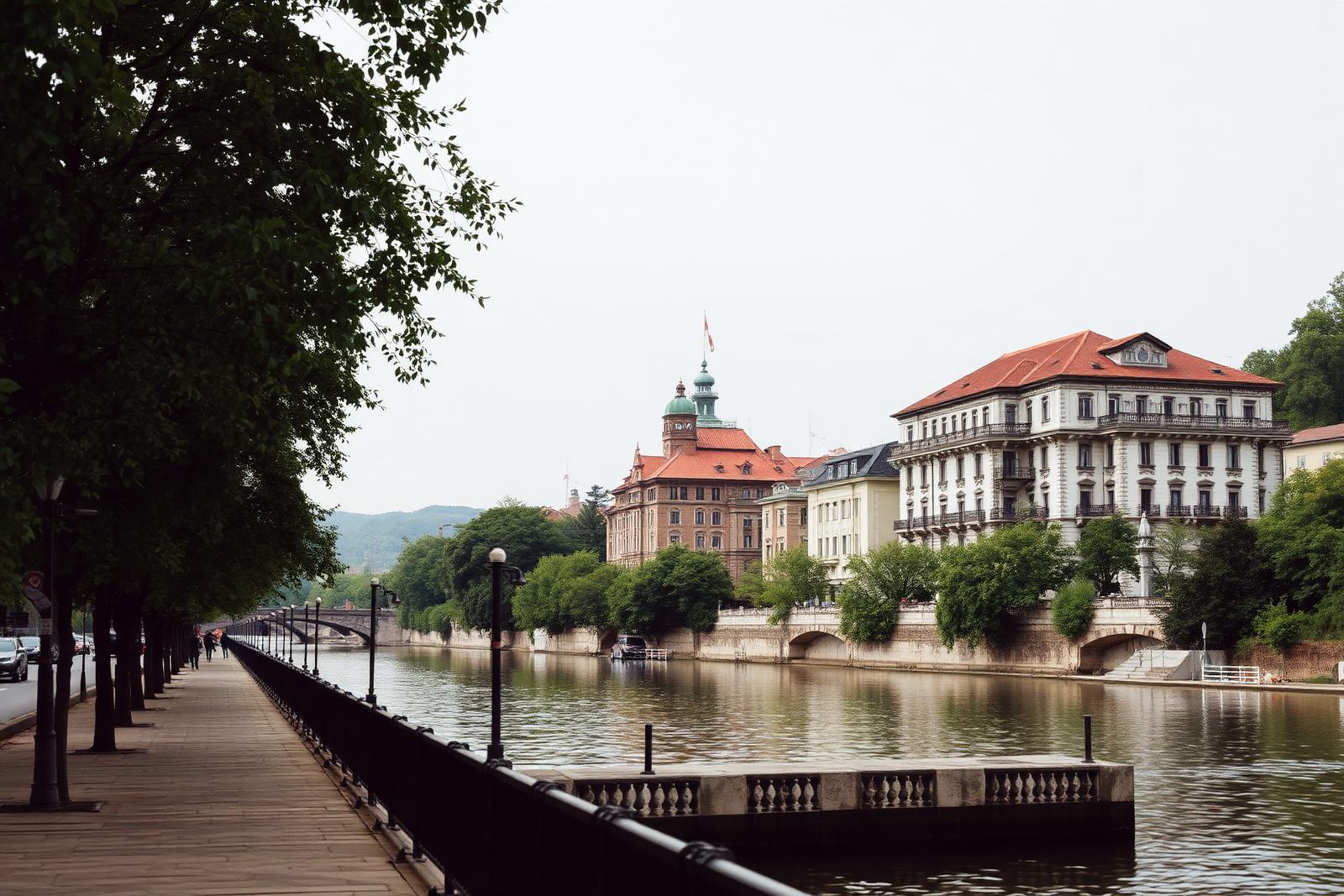
Banja Luka, Northern Bosnia
Banja Luka Travel Guide
The largest city in the Republika Srpska, built along the Vrbas river, and the practical gateway if you are arriving from Zagreb.
Banja Luka at a glance
Banja Luka sits in the north of the country on the Vrbas river, and it is a different kind of Bosnian city from Sarajevo or Mostar. There is less Ottoman era architecture, more tree lined avenues and a slower, more residential pace. The centre is compact and green, built around the riverside fortress of Kastel and a long pedestrian street that fills up in the evening.
Most visitors treat it as a stopover between Zagreb and the rest of Bosnia rather than a destination in itself, and that is a fair way to use it. But the city is worth more than a passing glance, and it is also the base for the Vrbas canyon, one of the better rafting and kayaking areas in the country.
Useful facts
- Region
- Northern Bosnia, on the Vrbas river
- Distance from Zagreb
- About three hours by road
- Suggested stay
- One night, or a base for the Vrbas canyon
- Currency
- Convertible mark (BAM), pegged to the euro
- Getting around
- Walkable centre, taxis and ride apps for anything further
Why visit Banja Luka?
Banja Luka gives a look at Bosnia outside the two cities most trips are built around. It shows a version of the country shaped more by Austro-Hungarian and Yugoslav era planning than by the Ottoman core found further south, and the pace of the city reflects that. It is also the most practical stop if you are entering Bosnia from Croatia in the north rather than through Sarajevo.
- A calm, green city centre with none of the crowding of Sarajevo or Mostar
- The Kastel fortress park on the Vrbas, a genuine local gathering spot rather than a tourist site
- A base for the Vrbas canyon south of the city, good for rafting and kayaking in season
- A logical first or last stop on a Zagreb to Bosnia route
How long should you spend in Banja Luka?
One night covers the centre comfortably: the Kastel fortress, the cathedral, the main pedestrian street and a proper dinner. That is enough if the city is a stopover on the way south.
If rafting or kayaking on the Vrbas is the reason for the stop, plan two nights so a full day is free for the canyon, since good outfitters and river conditions can make that a half day trip on its own once travel time is included.
Best things to do in Banja Luka
- Walk the Kastel fortress grounds beside the Vrbas, especially in the early evening when locals gather there
- Visit the Cathedral of Christ the Saviour, a large and relatively recent Orthodox cathedral in the centre
- Walk Gospodska street, the main pedestrian strip, for cafes and the evening promenade
- Take a half or full day trip south to the Vrbas canyon for rafting or kayaking between spring and autumn
- Visit the Ferhat Pasha Mosque, rebuilt after being destroyed in the 1990s, a short walk from the centre
- Cross into the surrounding parks along the river for a quieter walk away from the centre
Where to stay in Banja Luka
We do not book accommodation, so this is about which part of the city suits which kind of trip rather than specific properties.
- The city centre around Gospodska street: the obvious choice for a one night stop, close to everything worth seeing.
- Near the Vrbas and Kastel: quieter, a short walk to the centre, pleasant for an evening walk along the river.
- Outside the centre with a car: only worth it if you are heading straight to the Vrbas canyon the next morning.
For a country wide view, see where to stay in Bosnia.
Getting to Banja Luka
Banja Luka has its own international airport with a limited number of routes, but most travellers arrive by road from Zagreb or continue onward by road toward Jajce and Sarajevo.
- By car: about three hours from Zagreb on mostly good roads, and roughly two and a half hours on to Jajce.
- By bus: regular connections from Zagreb, Sarajevo and other Bosnian towns, though schedules thin out on weekends.
- By air: Banja Luka International Airport has a small number of seasonal and scheduled European routes.
Route by route detail is in how to get around Bosnia.
How Banja Luka fits into a Bosnia itinerary
Banja Luka is the natural first stop for anyone entering Bosnia from Zagreb by road. From there the classic route runs south through Jajce, with its waterfalls, and on to Sarajevo, rather than doubling back. It is less commonly combined with Herzegovina in the same trip, since the distance to Mostar and Trebinje is considerable.
If you are planning a north to south route, see the 10 day Bosnia itinerary for how Banja Luka, Jajce and Sarajevo connect.
Best time to visit Banja Luka
May through September is the most comfortable stretch, and it is also when the Vrbas canyon is at its best for rafting and kayaking, with reliable water levels from spring through midsummer. Autumn is pleasant for walking the centre without the summer heat.
Winter is cold but not extreme, and the city is quiet. It is not a season for river activities, but it suits a short overnight stop on the way through.
Banja Luka travel tips
- The centre is compact enough to see everything on foot; a car is only useful for the Vrbas canyon.
- Cash remains common outside larger hotels and restaurants.
- Rafting and kayaking on the Vrbas depend on water levels, which are best from spring into midsummer.
- The pedestrian street is at its liveliest in the evening rather than during the day.
Related Bosnia destinations
Plan your Bosnia trip around Banja Luka.
Tell us your dates and where you are arriving from. We will decide how much time Banja Luka deserves and what to see on the road south.
Plan My Bosnia Trip, €49