Travel guide
Where to Stay in Bosnia
Choosing the right area matters more than choosing the right property. In most Bosnian towns the difference between a good stay and an awkward one is a ten minute walk.
The short version
Bosnian towns are small. Old towns are compact, evening life is concentrated in a few streets, and public transport rarely matters for a visitor. That means staying central is usually worth a modest premium, because it saves taxis and turns the evening into part of the trip rather than a logistics problem.
The exceptions are driving trips. If you have a car, a central old town address can be a liability: narrow lanes, pedestrian zones and no parking. In that case a place on the edge of the centre with its own parking is a better decision.
Rules of thumb
- Without a car
- Stay in or beside the old town
- With a car
- Stay within a 10 minute walk, with confirmed parking
- Two people or more
- Apartments are usually better value than hotels
- Summer, July and August
- Book Mostar and Sarajevo well ahead
- Winter
- Check heating and whether rural places stay open
Types of accommodation
- Apartments: the most common option in cities and the best value for two or more people. Usually self check in, often in residential buildings, sometimes up several flights of stairs.
- Guesthouses and pensions: family run, small, breakfast often included. The typical choice in small towns and near the national parks.
- Small hotels: the strongest option in old town areas, particularly in Sarajevo and Mostar, where several occupy restored historic buildings.
- Larger hotels: mostly in city centres and near business districts. Reliable, easier for late arrivals, less character.
- Rural stays and mountain lodges: around Bjelasnica, Sutjeska, Una and the Herzegovinian villages. Simple, quiet, often with home cooking.
- Hostels: mainly in Sarajevo and Mostar, and a normal choice for solo travellers rather than a fallback.
Standards vary more between properties than between categories. In practice a well kept guesthouse often beats a mid range hotel, and the reviews are a more useful signal than the label.
Sarajevo: which area
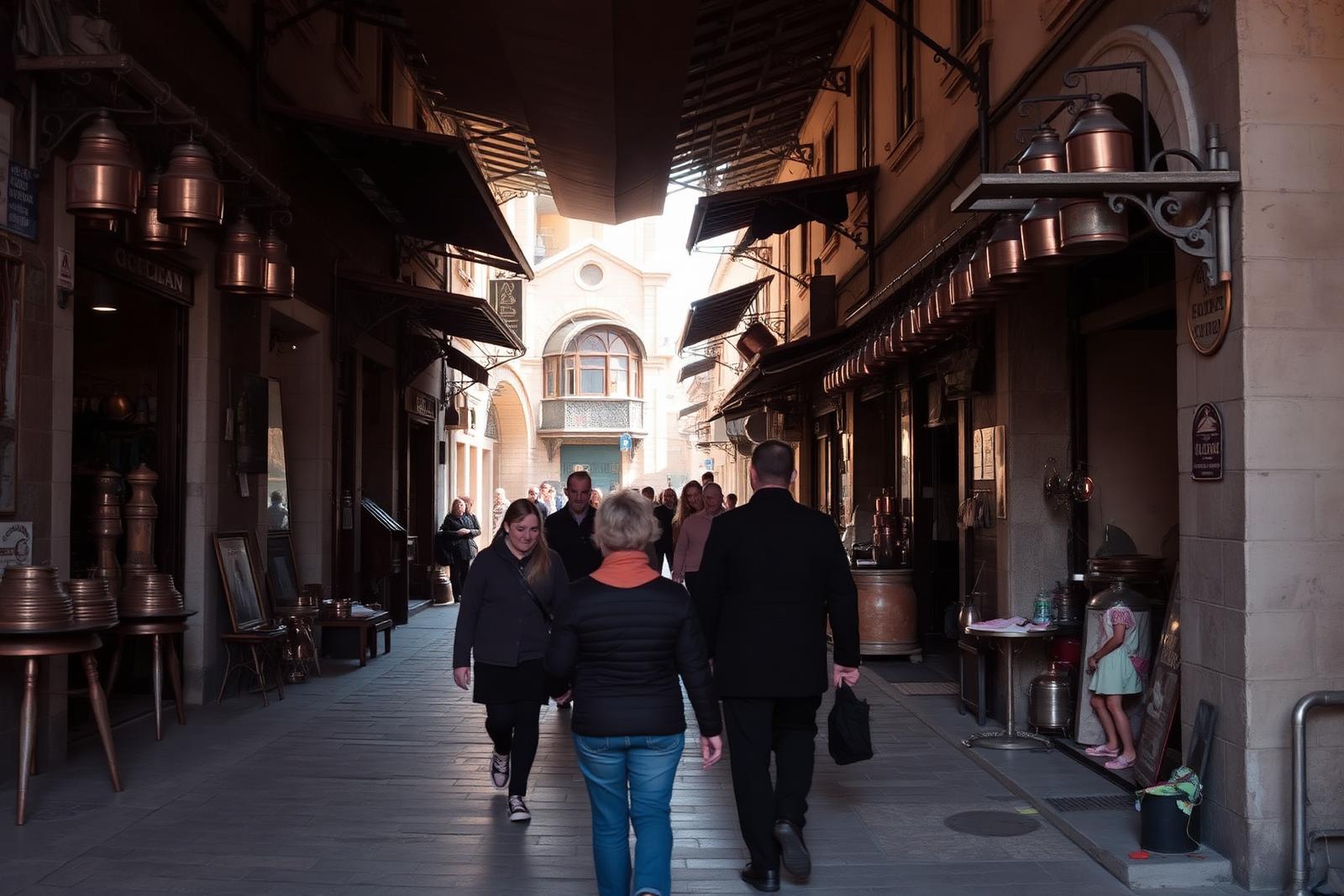
- Bascarsija and the old town: closest to the sights and the evening atmosphere. Apartments and small hotels dominate. Lively until late in summer, and difficult with a car.
- Ferhadija and the Austro-Hungarian centre: still walkable to everything, quieter at night, more full service hotels. A good compromise.
- Marijin Dvor and Skenderija: modern, well connected by tram, usually better value, about 15 to 25 minutes on foot from the old town.
- Along the Miljacka toward Bistrik: residential and quiet, with steep streets and good views.
- Ilidza: only worth it for an early flight or if you want easy parking and a garden. It is a tram ride from the centre.
Full context for the city is in the Sarajevo travel guide.
Mostar: which area
- The old town around the bridge: beautiful in the early morning and late evening, and busy in between. Choose a property set back from the main lane if you are a light sleeper.
- West of the Neretva, around the boulevard: modern Mostar, more parking, five to fifteen minutes on foot from the bridge, usually cheaper.
- Blagaj: a quieter alternative about 15 minutes away by car, good if you have a vehicle and prefer village evenings.
Mostar fills up in July and August, and the good central properties go first. See the Mostar travel guide for how long to stay.
Elsewhere in the country
- Banja Luka: stay near Gospodska street and the fortress side of the centre; the city spreads out and the outskirts are not walkable.
- Jajce: the old town is tiny, so anywhere central works. Some visitors sleep at the Pliva lakes instead, which suits a car.
- Trebinje: the stone old town and the streets immediately around it. Everything else is a short walk anyway.
- Una National Park: base in Bihac for services and transport, or in a riverside guesthouse near Martin Brod or Kulen Vakuf for quiet.
- Sutjeska National Park: options are limited and concentrated around Tjentiste. Book ahead in summer, and expect simple rooms.
- Konjic and the Neretva: useful as a one night stop between Sarajevo and Mostar, particularly for rafting.
Practical things worth checking
- Parking: confirm it in writing before booking if you drive. Old town streets are often pedestrian only or permit controlled.
- Stairs and lifts: many apartment buildings have no lift. Ask if that matters to you.
- Air conditioning in summer: Mostar and the Herzegovinian south get genuinely hot.
- Heating in winter: check what kind, particularly in older buildings and rural guesthouses.
- Check in: apartments frequently use self check in with a code. Tell the host your arrival time if you land late.
- Payment: many small properties prefer cash on arrival, in convertible marks or sometimes euros.
- Registration: accommodation providers register guests with the authorities. Keep your passport handy at check in.
When to book
Outside July and August you can usually book a week or two ahead without losing the good options. In high summer, Mostar, Sarajevo old town and anything near the national parks should be booked earlier, and the same applies to any weekend with a festival.
Winter is easy everywhere except the ski areas around Jahorina and Bjelasnica, which fill on weekends and over holidays. Read best time to visit Bosnia before fixing dates.
How much you will spend
Accommodation is one of the reasons Bosnia stays affordable. Apartments and guesthouses in most towns sit well below western European prices, small character hotels in the Sarajevo and Mostar old towns cost more, and rural stays are usually the cheapest part of a trip. The typical ranges are in the Bosnia travel cost guide.
Common questions
- Apartment or hotel?
- For two or more people, an apartment is usually better value and gives you a kitchen. Solo travellers and anyone arriving late often prefer a small hotel for the reception desk.
- Is it safe to stay in the old towns?
- Yes. Bosnian city centres are calm at night, and noise is the more realistic concern. See is Bosnia safe to visit.
- Should I move every night?
- No. Two or three bases work far better than a new bed every evening, because the driving between towns eats the day.
- Do I need to book before I arrive?
- In summer, yes. Off season you can travel more loosely, though the best value places still go first.
Keep reading
We will tell you where to base yourself.
Your plan includes the area to look in at each stop, matched to whether you are driving and what kind of place you want to sleep in.
Plan My Bosnia Trip, €49