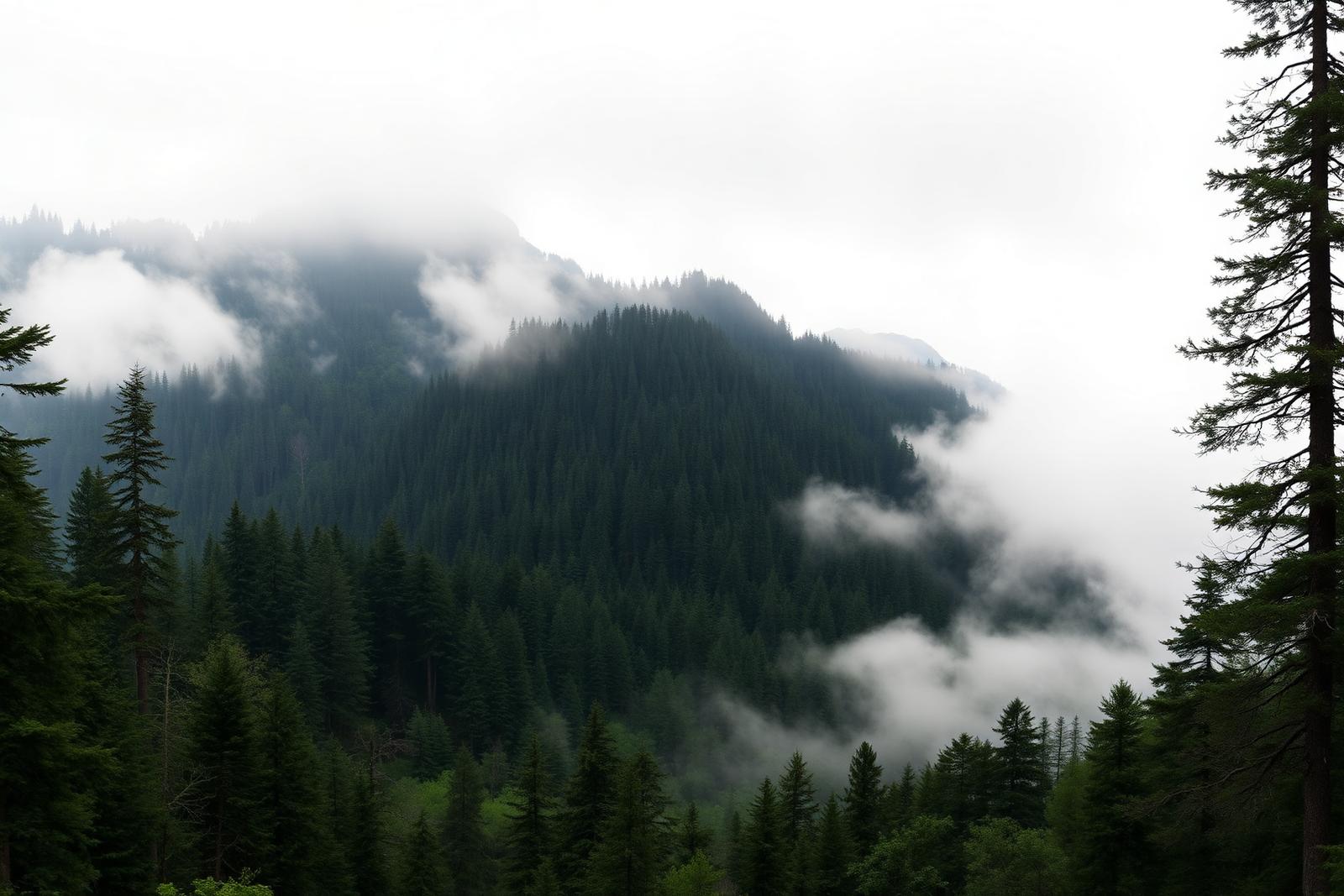
Sutjeska National Park, Southeast Bosnia
Sutjeska National Park Travel Guide
Bosnia's oldest national park, home to the country's highest peaks and one of the last old growth forests in Europe.
Sutjeska National Park at a glance
Sutjeska National Park sits in the southeast corner of Bosnia and Herzegovina, hard against the border with Montenegro. It was established in 1962, making it the country's oldest national park, and it protects two distinct landscapes: the high peaks of the Zelengora and Maglic ranges, including Maglic itself, the highest mountain in Bosnia, and the Perucica forest, one of the last remaining old growth forests in Europe.
The park is also a significant World War Two site, since the Battle of the Sutjeska in 1943 was fought across this terrain, a fact still marked by a large monument at Tjentiste inside the park.
Useful facts
- Region
- Southeast Bosnia, on the border with Montenegro
- Distance from Sarajevo
- About three hours by road
- Highest peak
- Maglic, 2,386 metres, the highest point in Bosnia
- Suggested stay
- Two to three nights for hiking
- Main activities
- Hiking, mountain scenery, the Perucica old growth forest
Why visit Sutjeska National Park?
Sutjeska is the most serious hiking destination in Bosnia, with terrain and scale that set it apart from the gentler hills near Sarajevo. It is also one of the few places in Europe where you can walk into forest that has never been logged, since Perucica has been protected since long before the park itself existed.
- Maglic, the highest peak in the country, with routes that suit experienced hikers
- Perucica, one of Europe's last old growth forests, with trails including a waterfall viewpoint
- The Tjentiste war memorial, a striking piece of Yugoslav era monument architecture
- A genuinely remote feel, with far fewer visitors than the national parks of neighbouring Montenegro or Croatia
How long should you spend in Sutjeska National Park?
Two nights allow for one serious hiking day, such as a route toward Maglic or into Perucica, plus time to see the Tjentiste memorial and the valley itself.
Three or more nights suit hikers aiming for the higher routes or wanting a rest day between longer walks, since the terrain here is more demanding than most other stops on a Bosnia itinerary and deserves a buffer rather than being rushed.
Best things to do in Sutjeska National Park
- Walk into the Perucica forest reserve on the marked trail, which includes a viewpoint over the Skakavac waterfall
- Hike toward Maglic if you have the experience and time, ideally with a local guide given the remoteness
- Visit the Tjentiste war memorial, a large concrete monument marking the 1943 battle
- Drive or hike through the Zelengora range for alpine meadows and mountain lakes, quieter than the Maglic side
- Spend an evening in the valley at Tjentiste itself, the small settlement that serves as the park's main access point
Where to stay near Sutjeska National Park
We do not book accommodation, so this is general guidance on the area rather than specific properties.
- Tjentiste, inside the park: the main access point, with a small number of guesthouses close to the trailheads.
- Foca, north of the park: a larger town with more services, a reasonable base if you want more comfort and a slightly longer drive in.
For a country wide view, see where to stay in Bosnia.
Getting to Sutjeska National Park
There is no public transport network inside the park itself, and services to Tjentiste are limited, so a car is close to essential for a proper visit.
- By car: about three hours from Sarajevo via Foca, on mountain roads that take longer than the distance suggests.
- By bus: limited services run toward Foca and occasionally on to Tjentiste, but schedules are sparse and not reliable for a hiking day trip.
See travelling Bosnia without a car for the realistic limits of public transport to remote parks like this one.
How Sutjeska National Park fits into a Bosnia itinerary
Sutjeska is a detour rather than a stop on the way to somewhere else, since it sits in a corner of the country not on the main Sarajevo to Mostar corridor. It suits travellers with a car and a specific interest in hiking, often as an extension of a Sarajevo based trip rather than a stop on a standard loop.
If you are building extra time into a longer trip, see the 10 day Bosnia itinerary for where a Sutjeska detour can be added from Sarajevo.
Best time to visit Sutjeska National Park
June through September is the main hiking season, when the higher trails are clear of snow and mountain huts, where present, are more likely to be staffed. July and August give the longest daylight for the longer routes toward Maglic.
Snow can linger on the higher ground into early summer in some years, and the mountains are not a realistic destination for serious hiking outside the late spring to early autumn window.
Sutjeska National Park travel tips
- This is genuine mountain terrain. Check conditions and consider a local guide for routes toward Maglic.
- Mobile signal is unreliable in parts of the park; plan routes and let someone know your plan before setting out.
- Bring proper hiking gear, food and water; services inside the park are minimal.
- The Perucica forest trail is the most accessible highlight for visitors who are not planning a full mountain hike.
Related Bosnia destinations
Plan your Bosnia trip around Sutjeska National Park.
Tell us your hiking experience and how much time you have. We will decide how a Sutjeska detour fits around Sarajevo.
Plan My Bosnia Trip, €49