Before you go
Is Bosnia Safe to Visit? A Practical Answer
The short answer is yes, for the vast majority of travellers. The longer answer covers the specific things worth knowing before you arrive.
The general picture
Bosnia and Herzegovina is a safe country to travel in by ordinary European standards. Violent crime against visitors is rare, the tourist areas of Sarajevo, Mostar, Banja Luka and the national parks are well used to foreign visitors, and the day to day experience of travelling here is closer to visiting Croatia or Slovenia than anything more exotic. The country's difficult recent history, particularly the war of the 1990s, is visible in memorials, damaged buildings and museum exhibits, but it is history rather than an ongoing risk to travellers.
That said, safety questions about Bosnia usually come down to a handful of specific topics, and it is worth being precise about each of them rather than giving a single reassurance.
Cities and towns at night
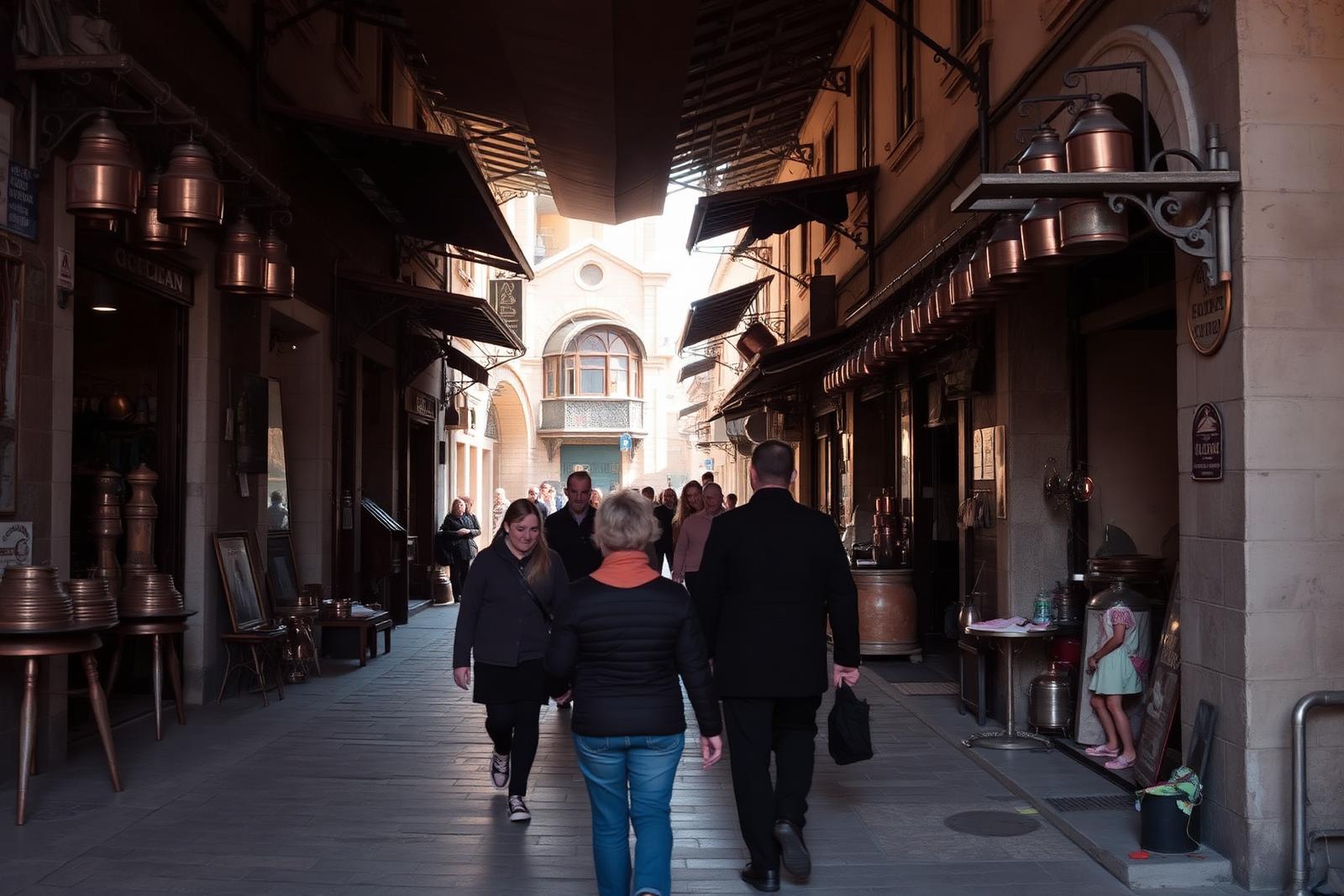
Sarajevo, Mostar, Banja Luka and Trebinje are all comfortable to walk around in the evening, including the old town areas that are the main draw for visitors. Bascarsija in Sarajevo stays lively and well lit late into the evening, and the same is true of the central squares in the other main towns. As anywhere, exercise ordinary caution: stick to lit streets, keep track of your belongings in busy areas, and treat unfamiliar side streets the way you would in any city you do not know.
Smaller towns and villages are, if anything, quieter and lower risk than the cities, simply because there is less foot traffic after dark and everyone tends to know everyone else.
Driving in Bosnia
Driving is the part of a Bosnia trip that deserves the most caution, not because of crime but because of the roads themselves. Much of the country is mountainous, and main roads outside the motorway sections are often two lane routes that wind through passes, run alongside rivers with limited barriers, and mix trucks, tourist traffic and local drivers who know the bends well and take them faster than a visitor should.
- Allow more time than the map distance suggests, especially through central Bosnia and toward Herzegovina
- Avoid overtaking on blind bends, a habit some local drivers have that visitors should not copy
- Fog and ice are real hazards on mountain roads from late autumn through early spring
- Fuel up before long rural stretches rather than assuming a station will appear when needed
- Winter tyres or chains may be required by law on mountain routes in winter months
Full route by route detail, including which roads are motorway standard and which are not, is in how to get around Bosnia.
Landmines and where not to walk
This is the one Bosnia specific safety issue that genuinely does not apply to most other European destinations, and it deserves a clear, unpanicked explanation rather than either silence or exaggeration. Land mined areas remain from the 1992 to 1995 war, concentrated in specific rural zones, mostly along former confrontation lines in parts of central Bosnia, the area around Sarajevo, and pockets elsewhere in the countryside. Cities, towns, main roads, marked hiking trails, national parks and every place a visitor would normally go are clear and have been used safely by residents and tourists for years.
The practical rule is simple: stay on marked paths and roads, and do not wander off trail into overgrown fields, abandoned buildings or unmarked rural land, particularly in the regions that saw fighting. Suspected mine areas are marked with red and white signs showing a skull, sometimes with tape or fencing. If you see one, do not go closer to look, and do not touch anything unusual you find on the ground in a rural area, including old military debris. This is not a concern that should affect a normal itinerary through cities, marked trails in Una or Sutjeska national park, or any of the routes described on this site. It only matters if you plan to go off trail in the countryside, in which case a local guide is the sensible choice.
Solo and female travellers
Solo travel, including solo travel for women, is common and generally straightforward in Bosnia. Public transport, cafes and restaurants in the main towns are all used comfortably by solo visitors, and locals are generally direct and helpful if you need assistance or directions. As in most of Europe, ordinary precautions apply: agree on a price before getting into an unmarked taxi, keep your accommodation informed of late arrivals in rural areas, and use the same judgement about isolated places at night that you would at home.
Health and emergency basics
- Tap water is safe to drink in cities and most towns
- Pharmacies are common in towns and staff often speak some English or German
- Travel insurance that covers medical treatment is worth having, as it is anywhere outside your home country
- Mobile coverage is reliable in cities and along main roads, patchier in the mountains and deep valleys
- EU emergency number 112 is used in Bosnia and connects to police, fire and ambulance services
Common scams and minor annoyances
Bosnia does not have a significant scam culture aimed at tourists compared with larger European destinations. The most common issues are small ones: taxi drivers without a meter quoting an inflated price to visitors, which taxi apps largely solve, and informal parking attendants in busy tourist areas asking for cash that is not always official. Neither is dangerous, and both are avoided by agreeing a price up front or using an app.
The overall answer
For a trip built around the cities, national parks and marked routes covered on this site, Bosnia presents no unusual risk. The two things worth genuine attention are mountain driving, which requires care rather than avoidance, and staying on marked paths in rural areas rather than wandering off trail. Everything else is the normal common sense that applies to travel anywhere in Europe.
Plan around it
Plan a Bosnia trip with the practical details already worked out.
We factor road conditions, timing and terrain into every route we plan, so you are not guessing at any of this on the road.
Plan My Bosnia Trip, €49